For shops
What Google actually rewards on a wrap shop's website
Published
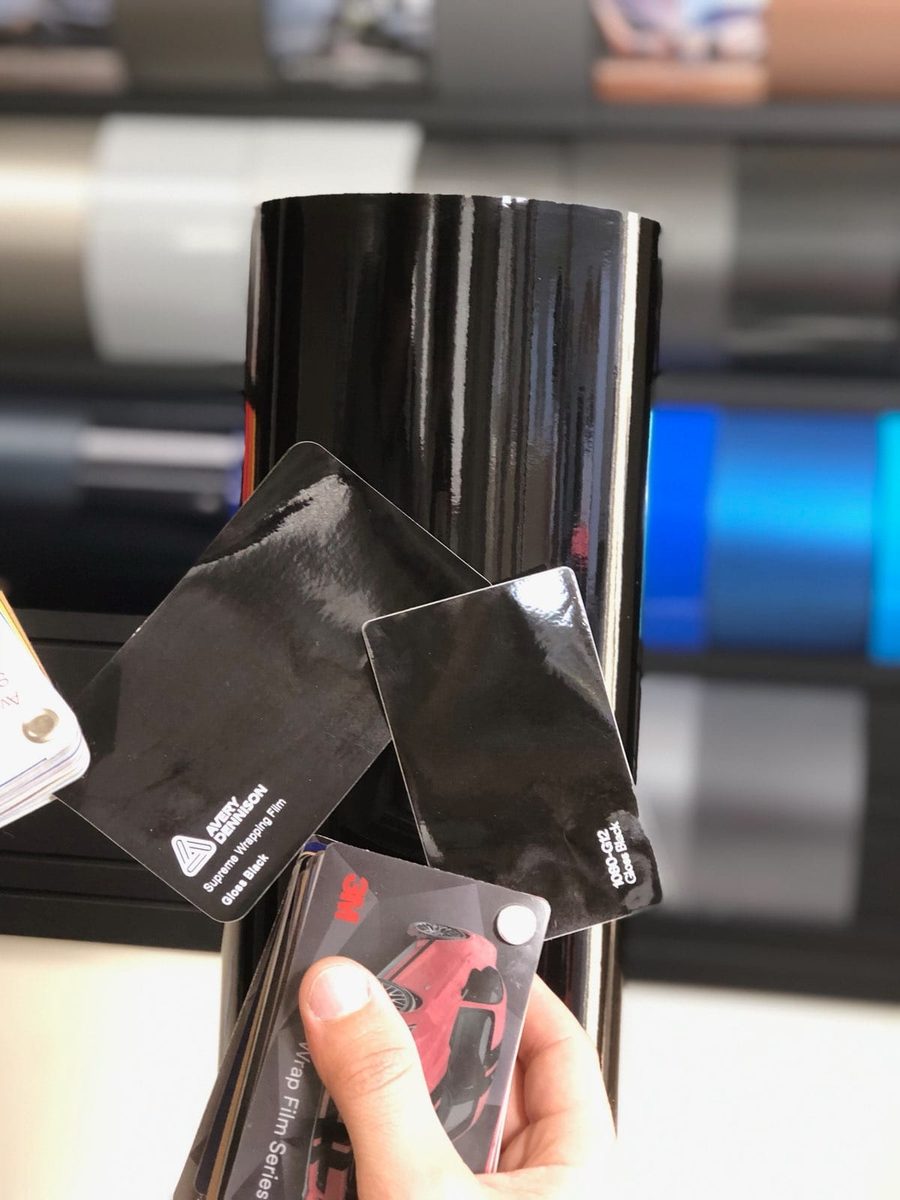
Every wrap shop website looks roughly the same. A gallery of finished cars, a list of services, a phone number, a contact form. It is honest work and it tells people what you do.
It also gives Google almost nothing to work with, and it gives visitors nothing to do.
What a search engine is actually watching
Nobody outside Google knows the full recipe. But two things are not in dispute.
The first is that pages compete. When ten wrap shops in one region publish the same handful of pages — About, Services, Gallery, Contact — there is very little for a search engine to tell them apart by. Ranking between near-identical pages comes down to signals that have nothing to do with how good your work is.
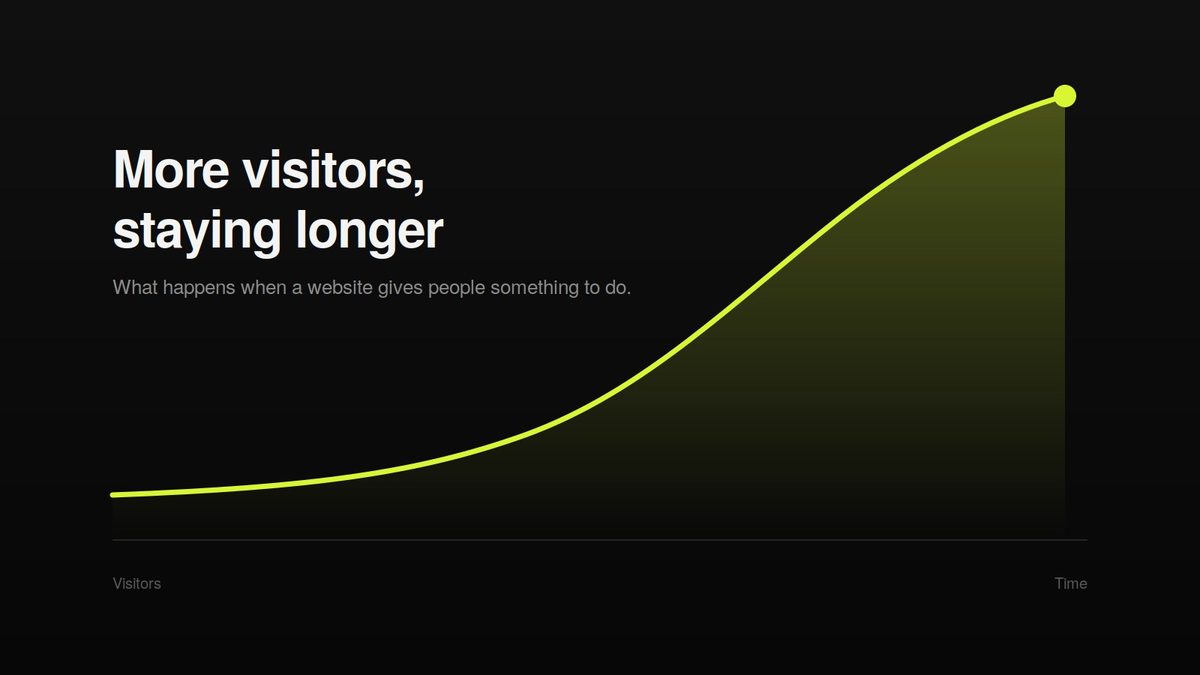
The second is that behaviour matters. If someone clicks your result, glances at it and returns to the search page within eight seconds, that is a signal. If they stay for four minutes, that is a different signal. You cannot fake the second one with keywords.
The gallery problem
A gallery is a strange thing on a wrap shop site. It is the page you are proudest of and the page that performs worst.
Photographs carry no text for a crawler to read. A visitor looks at six cars, none of which is theirs, and leaves. The page answers the question "are these people any good" — which is worth answering — but it does not answer the question the visitor actually came with, which is "what would my car look like".
Nobody has ever booked a wrap because they saw a photo of someone else's Golf.
Give them something to do
A visitor who is doing something behaves completely differently from a visitor who is reading something.
Put a colour visualiser on your site and the sequence changes. They upload a photo of their own car. They try a colour. They try another. They send the result to their partner. What was an eight-second glance becomes several minutes, and it ends with them knowing what they want rather than wondering.
That produces three things at once:
- Longer visits. Not artificially — they stay because there is a reason to stay.
- A page nobody else in your town has. A genuine reason for someone to link to you, mention you, or send the link to a friend.
- A better lead. Not "I'd like some info". A photo of their car, the colour they picked, and the product number.
Where I will not oversell it
A visualiser is not an SEO product, and anyone telling you a widget will make you rank is selling you something.
The widget itself is not indexable. A crawler does not see the renders your visitors make. It sees a page with an embedded tool on it, and it reads whatever text you wrote around that tool.
So the honest version of the claim is this: the tool changes what visitors do, and what visitors do is one of the things search engines pay attention to. It also gives you a page worth building text around — a real page, about choosing a colour, that is not the same page every competitor has.
The ranking comes from the page. The tool is the reason the page is worth visiting.
What to write around it
If you put a visualiser on your site, do not drop it onto your homepage and leave it there unlabelled. Give it its own page and write around it:
- What the tool does, in plain language
- Which brands and finishes you actually stock
- What a customer should bring you afterwards
- What happens next — quote, timeline, what you need from them
That is a page that answers a real question, contains real words, and has something on it people will stay for. Which is roughly the whole recipe.
The part that has nothing to do with Google
People look at cars late at night. They are not going to phone you at eleven, and by Tuesday morning the impulse has passed.
A site that only takes phone calls is closed at exactly the moment people are deciding. A site with something to try on it is open.
See how the visualiser works on a shop's own website — or try it on your own car first.
See any car in any wrap colour — three renders free. Try WrapUp AI