Colors
Orange Car Wrap: Choosing Tones, Finishes, and Contrast Across Body Panels
Published
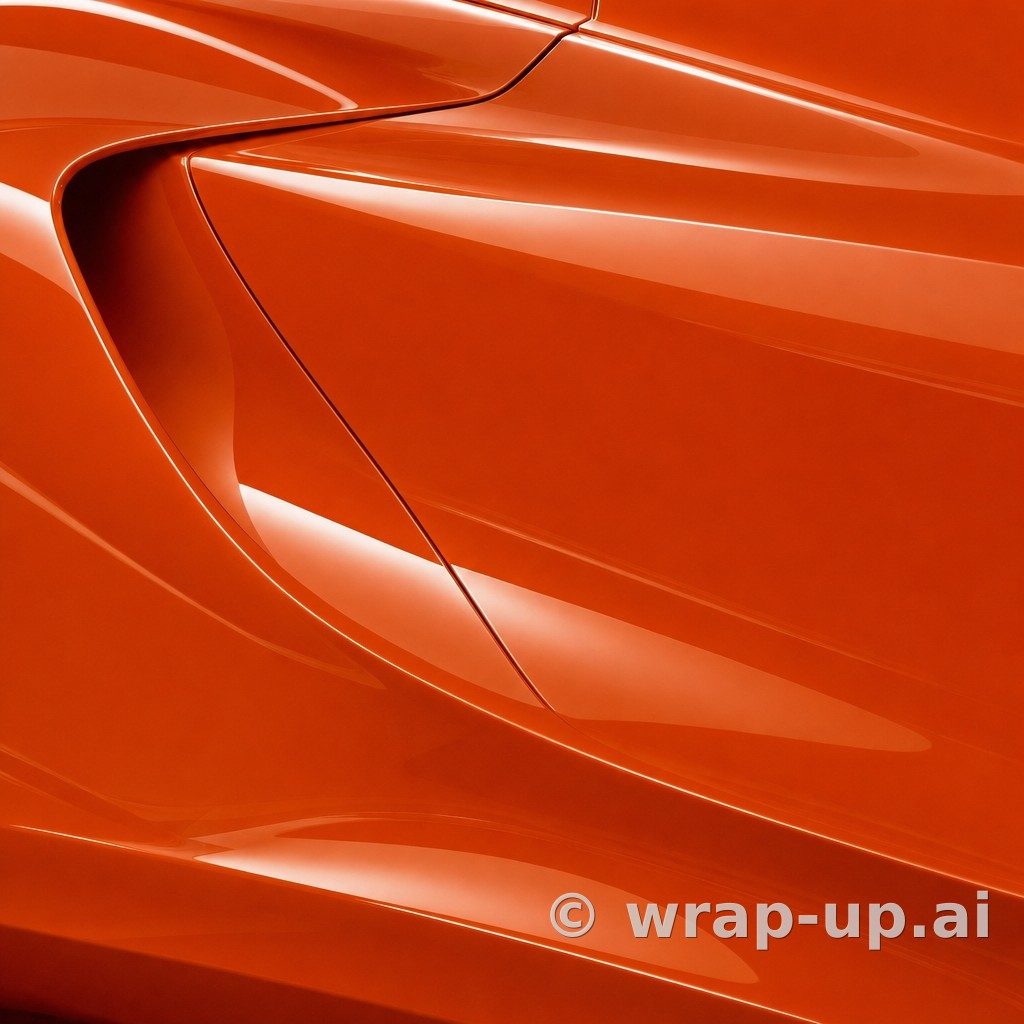
Choosing an orange car wrap transforms a vehicle more dramatically than almost any other colour selection. Orange is naturally high-energy and eye-catching, yet it encompasses a surprising variety of expressions. From vivid, pure solid tones that demand immediate attention to deeper, pearl-infused shades that shift as the vehicle moves through changing light, the specific character of an orange wrap depends entirely on its undertones, finish, and the shape of the bodywork beneath it.
Understanding how these factors interact helps you determine whether a bold primary tone or a nuanced metallic effect will best suit your vehicle's silhouette.
Solid Orange versus Pearlescent Formulations
Within vinyl manufacturing, orange is a focused category. In our catalogue of 782 colours, there are 32 orange options across major vinyl manufacturers. These options generally split into two distinct visual categories: flat or solid tones, and pearlescent formulations.
A pure solid tone, such as Bright Orange (G54) by 3M 2080 in a Gloss finish, presents an uncompromising, direct colour statement. Because it contains no metallic flake or pearl dust, the colour reads consistently across every surface. The shade you see on a front wing is identical in pigment to the shade across the bonnet. What varies is simply how the glossy surface reflects skylight along panel edges. Pure solid oranges tend to emphasize flat panels and geometric cuts, giving modern performance cars a clean, decisive look.
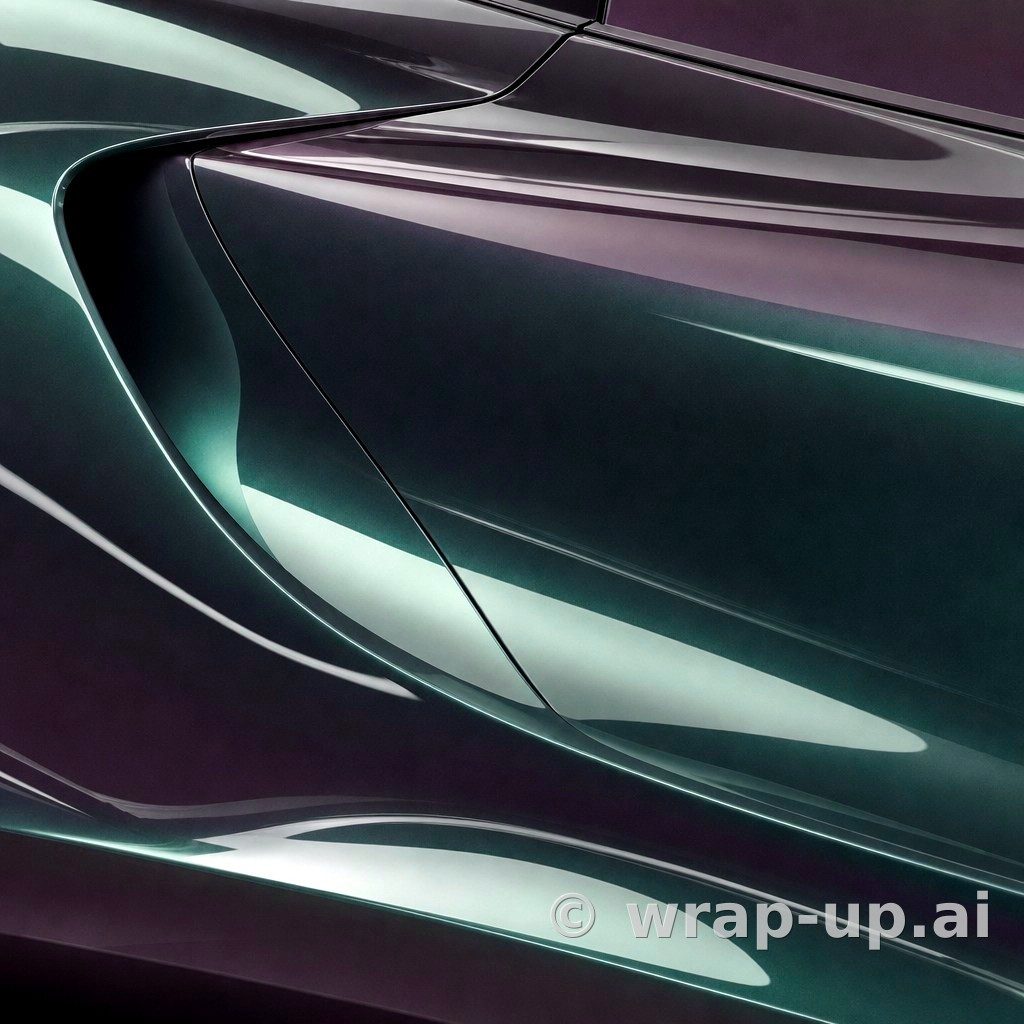
In contrast, pearlescent and multi-tone films introduce a shifting layer of depth. Glossy Tangerine Dream (959G) by Orafol 970RA pairs an orange base with pearlescent particles. When light hits these particles, the colour brightens across prominent contours and rolls toward warmer, amber tones in the shadows. This quality gives complex bodylines—such as sculpted door scallops, pronounced wheel arches, and bonnet vents—extra definition. Instead of an even sheet of colour, the panel displays a gentle gradient from peak highlight to dark crease.
How Finish Alters the Presence of Orange
The finish you choose dictates how bright and reflective an orange wrap appears in direct sunlight.
- Gloss and High Gloss: Gloss surfaces produce crisp, specular reflections. On an orange film, bright white reflections break up large panels and sharpen the contrast against black trim, carbon diffusers, and tinted glass. This keeps the colour feeling dynamic and fresh, though it highlights every curve of the bodywork.
- Satin: A satin finish softens the harsh white reflection into a broad, velvet-like sheen. With an orange wrap, satin retains vibrant colour saturation while eliminating sharp mirror reflections. It often brings out the mechanical form of the vehicle, lending muscular silhouettes a measured, deliberate aesthetic.
- Matte: Matte completely diffuses surface reflection. On bright colours like orange, matte absorbs light evenly, flattening specular highlights and pulling the visual focus entirely onto the vehicle's outlines.
Because orange is naturally luminous, high gloss can create sharp focal points along body lines, whereas softer sheens spread the tone evenly across broader surfaces.
Why Swatches and Online Photos Fall Short
Selecting an orange car wrap based on a small physical swatch or a photo found online regularly leads to surprise.
A two-inch vinyl swatch held flat on a shop counter gives you no sense of how the colour responds across a bonnet measuring two square metres. Swatches cannot display the way ambient skylight dilutes warmth, nor how a vehicle's curved shoulders transition into shadow. A tone that looks rich in your hand under warm shop lights can appear stark or overly bright when spread across a broad roof in midday overcast.
Equally, looking at photos of another vehicle wrapped in the same film rarely provides an accurate answer. Camera sensors, digital colour grading, and studio lighting inevitably distort orange tones. More importantly, that photograph shows the vinyl on someone else's car. A colour that sits harmoniously across the sharp, angular creases of an aggressive sports coupe can look entirely overwhelming or poorly proportioned on a rounded saloon or a tall SUV.
To understand whether an orange tone works, you need to see how the colour distributes across the exact panels, glass area, and trim proportions of your own car.
Visualising Orange on Your Own Vehicle
Testing shades beforehand removes the guesswork from choosing a colour change. Using WrapUp AI, you can upload a photograph of your own vehicle in its natural setting and evaluate real manufacturer vinyl colours across your car's panels.
You can compare a pure gloss such as Bright Orange (G54) by 3M 2080 directly against a pearlescent alternative like Glossy Tangerine Dream (959G) by Orafol 970RA to see how your specific body creases catch the light. Keep in mind that a digital preview provides an impression of tone and finish rather than an absolute physical colour match, serving as a visual reference for scale and contrast.
Three renders are completely free, with no account needed to start. Upload your car's photo today and test real orange vinyl colours on your own bodywork before making your choice.
See any car in any wrap colour — three renders free. Try WrapUp AI