Colors
Dark Blue Car Wrap: How Undertones, Finish, and Light Change the Color
Published
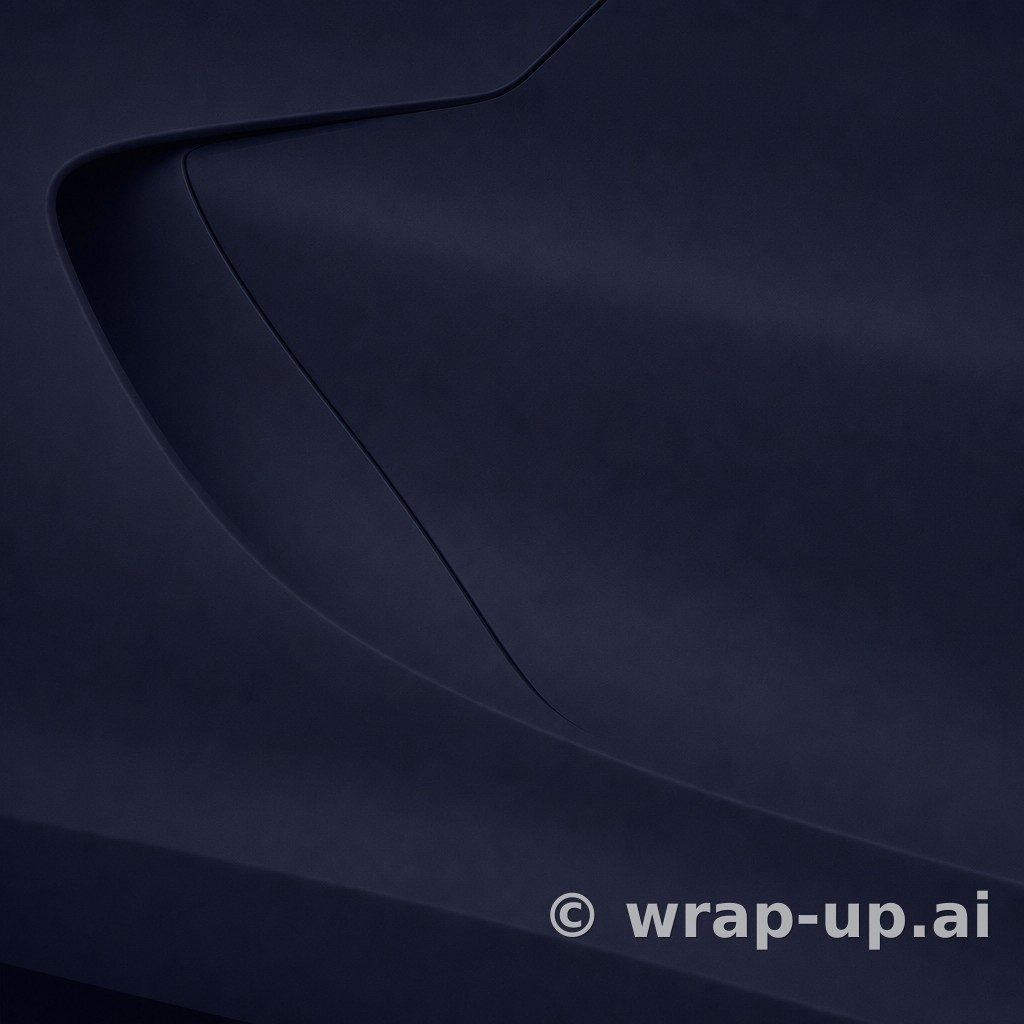
Choosing a dark blue car wrap is often an exercise in balancing restraint and presence. Deep navy, midnight hues, and rich ocean tones can appear subtle and understated from a distance, yet reveal vivid pigment and sharp highlights up close. Because dark blue absorbs a substantial amount of ambient light while reflecting selective wavelengths, the exact undertone and finish you select will dictate how your car looks across varied environments.
With 174 blue options in the catalog, finding the right shade means understanding how undertones shift under sunlight and how different surface finishes interact with your car's body panels.
The Spectrum of Dark Blue: Undertones and Pigments
Not all dark blues behave the same way. When examining vinyl films, the underlying pigments define whether a shade reads as formal, moody, or athletic.
Inky and Black-Leaning Blues
Some dark blues feature a high concentration of black pigment. In dim lighting, overcast conditions, or at dusk, these films can be mistaken for pure black. Under direct sunlight or streetlamps, the blue base emerges, creating a soft transition along panel edges. This subtle shift provides a sophisticated profile that does not demand attention until light strikes a sharp crease.
Violet and Indigo Undertones
Films with subtle purple or red undertones, such as Metro Violaceous blue (K75558) by KPMF in a Matte finish, show a distinct warmth when exposed to direct sun. While primarily resting in the dark blue spectrum, these colors reveal subtle violet highlights along fenders and shoulder lines. Another dynamic option is Satin Roaring Thunder (551) by Avery SW900, which blends blue, red, and colorflip characteristics, cycling through tones as viewing angles change.
Teal and Slate Undertones
Other dark blues pull toward green or gray. Matte Green Blue (988M) by Orafol 970RA leans into cool, oceanic shades, while films carrying gray families create a muted, industrial aesthetic. These cooler undertones prevent the color from appearing stark, giving curved surfaces an earthy, understated transition.
How Finish Shapes a Dark Blue Wrap
The finish of a wrap changes how light leaves the vehicle's surface, fundamentally altering your perception of the dark blue base.
Gloss and High Gloss
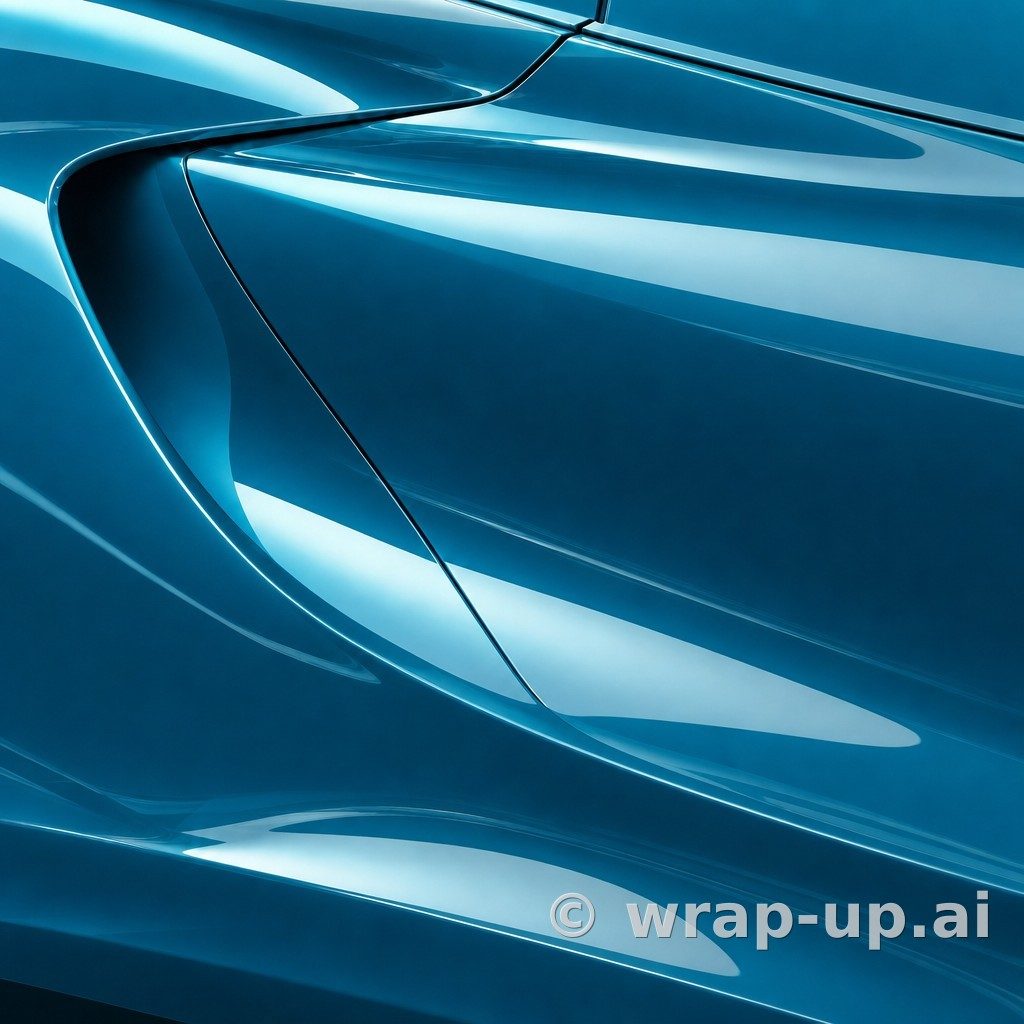
Gloss films (with 273 gloss and 213 high gloss colors in the catalog) reflect crisp images of the surrounding environment. On a dark blue wrap, a high-gloss finish functions much like deep automotive clear coat. Highlights appear pinpoint and bright, while shadows plunge into deep darkness. This creates maximum visual contrast, making sharp body creases, hood bulges, and sculpted rocker panels stand out.
Satin
Satin films (104 options in the catalog) disperse incoming light into a smooth, liquid sheen. Instead of sharp mirror reflections, a satin dark blue shows soft gradients along curved panels. This finish brings out the richness of the blue pigment over broader surface areas rather than concentrating it in a single reflective point.
Matte
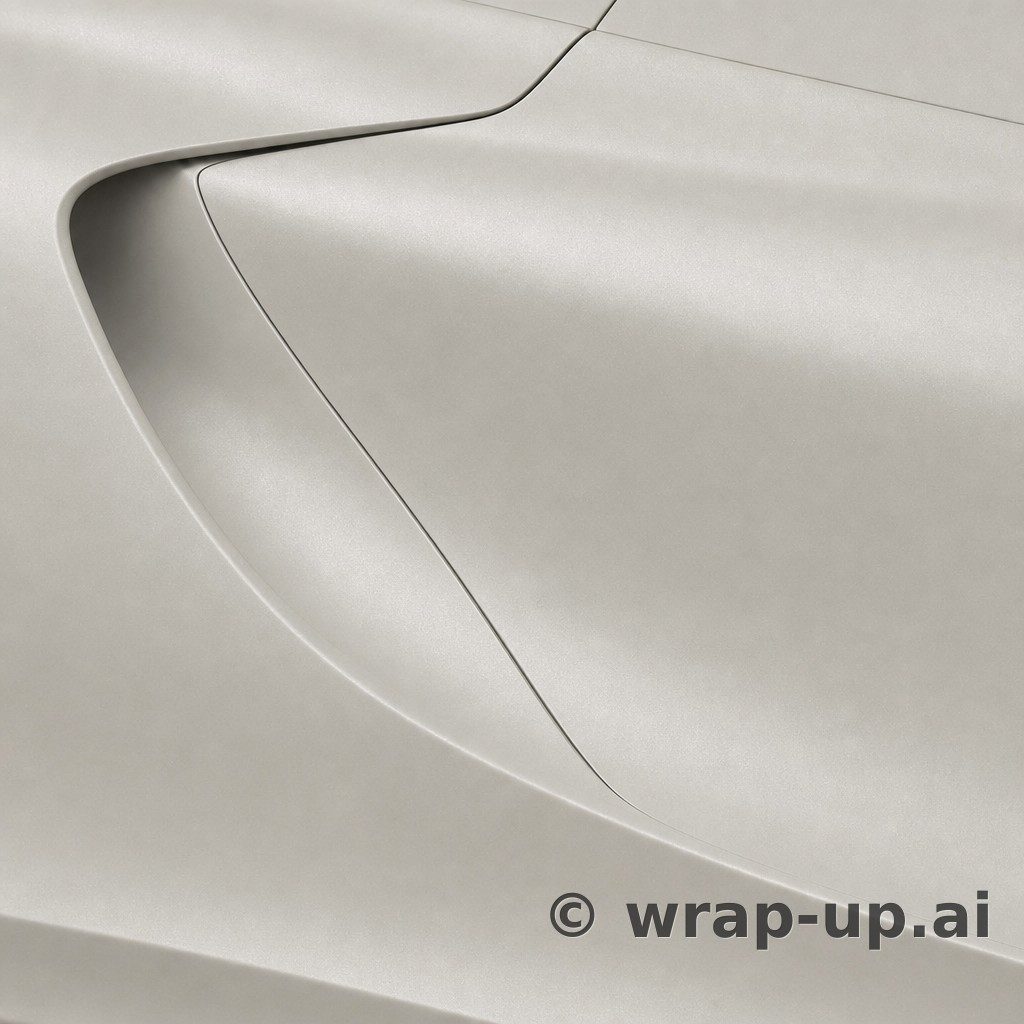
With 167 matte films in the catalog, a non-reflective finish flattens glare entirely. Matte dark blue wraps absorb ambient light, directing the eye toward the vehicle's overall silhouette. Because there are no specular reflections, the difference between lit panels and shadowed recesses is driven entirely by the surface angle. This results in a stealthy, tailored appearance that highlights subtle vehicle styling without flashiness.
Why Small Swatches and Online Photos Fall Short
A small physical vinyl swatch held on a shop counter cannot show you how a dark blue wrap will perform on an actual vehicle.
First, scale changes color perception. A two-inch swatch held inches from your eyes reflects light from a single source. Laid over twenty feet of curved steel, aluminum, and glass, the film picks up reflections from the sky, the road, and neighboring objects simultaneously.
Second, vehicle contours matter. The steep curve of a front fender catches daylight differently than a flat hood or vertical door panel. A dark blue that looks rich on a flat sample might appear muddy or overly dark on a vehicle with predominantly flat, upright sides.
Looking at photos of someone else's wrapped car is equally misleading. A photo taken in sunny California on an aggressively sculpted coupe will not reflect how that same vinyl looks on a family sedan parked on an overcast morning in the Pacific Northwest. Cameras, filters, and digital post-processing further distort true tone and depth.
Seeing the Color on Your Own Vehicle
To make an informed choice, you need to see the shade on your specific car in its actual proportions. A rendered preview provides a realistic visual impression of how the vinyl's finish and tone interact with your car's character lines, trim, and glass.
Through WrapUp AI, you can upload a photo of your own car and test real manufacturer colors from Avery SW900, Orafol 970RA, KPMF, Inozetek Vinyl, and 3M 2080. You can compare deep gloss navies against muted satin tones on your exact make, model, and background. Three renders are free to start, with no account required, giving you a clear visual starting point before you make your final choice.
See any car in any wrap colour — three renders free. Try WrapUp AI