Colors
Light Blue Car Wrap: Choosing Tones, Finishes, and Evaluating Body Lines
Published
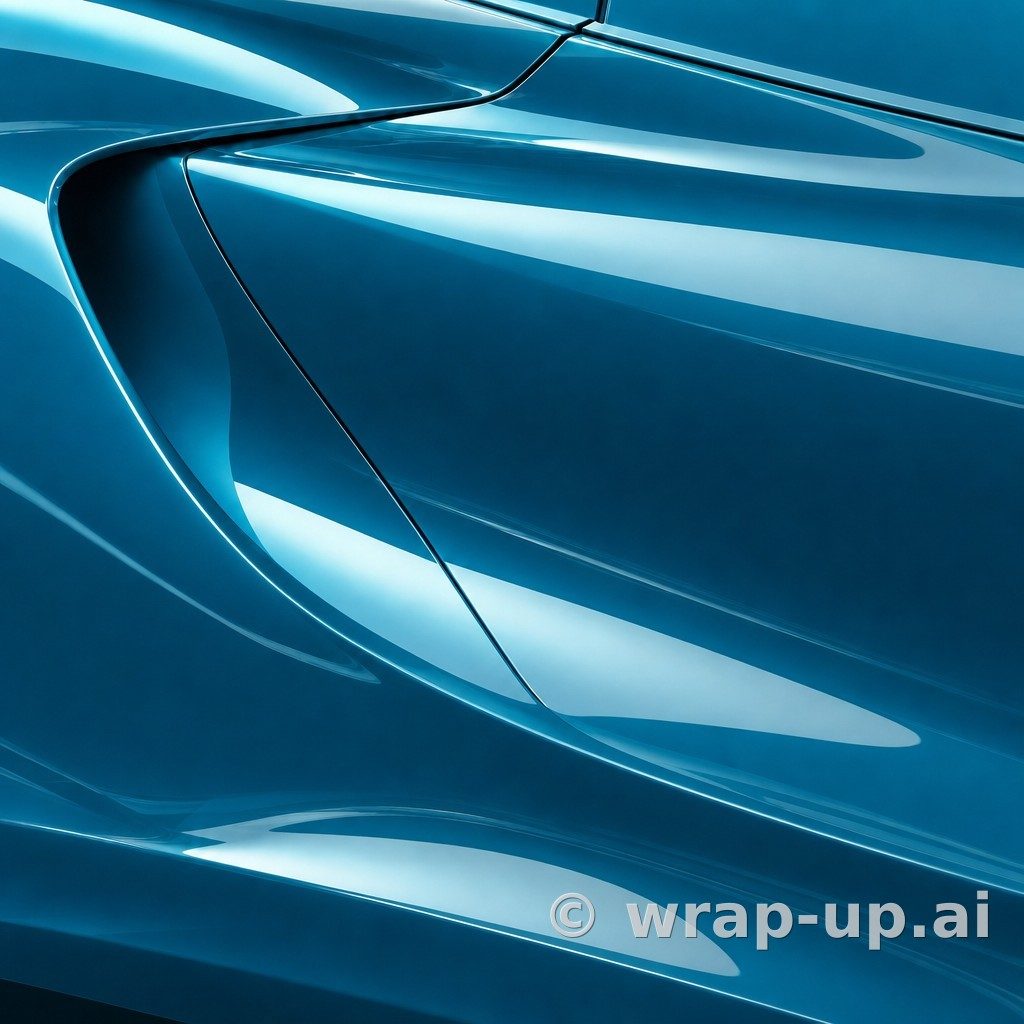
Selecting a light blue car wrap is an exercise in balancing brightness, undertone, and surface reflection. Pale blues immediately stand out on the road because they reflect a large percentage of ambient daylight, creating high contrast against dark window glass, black rubber seals, and exposed trim. Yet light blue is not a single uniform shade. Depending on the chemical formulation of the film, a light blue can lean toward a pure pastel sky, veer into tropical cyan, or carry a muted slate-gray base.
Understanding how these shifts manifest across full bodywork panels is crucial before committing to a material change.
The Spectrum of Light Blue: Cyan, Sky, and Slate
Within the broader blue family—which represents 174 colors in the catalog—lighter tones fall across distinct visual spectrums. The primary difference lies in the underlying pigment balance:
- Pure Sky and Baby Blue: These films prioritize white and pure cyan pigments. They produce an open, airy appearance that remains unmistakably blue under direct sunlight and soft shade alike.
- Green-Leaning Cyan: Certain films incorporate subtle yellow or green undertones. For instance, Light Blue (632) by Avery SW900 sits squarely within both the blue and green families. In bright midday sun, the edges of curved panels reflect a vivid, aqua-tinted highlight, while recessed areas maintain a crisp light blue tone.
- Gray-Leaning Slate: Tones such as glossy ballistic blue (571G) by Orafol 970RA introduce gray into the blue base. This creates a more subdued, military or utilitarian feel. The gray keeps the light blue from reading as a novelty color, giving it a grounded presence on larger vehicles.
Because light blue reflects substantial daylight, subtle shifts in undertone become magnified once spread across six feet of a vehicle hood.
How Finish Shapes Light Blue Across Panel Curves
A color formula produces completely different silhouettes depending on its clear layer. The catalog contains 273 gloss options, 213 high gloss options, and 103 satin options, each scattering light in a unique way.
Gloss and High Gloss
Gloss finishes bring out the clean clarity of pale blue. A standard gloss, such as Avery SW900 Light Blue (632), mirrors the ambient environment. On sunny days, reflections of the sky enhance the blue pigment, while reflections of trees or asphalt introduce dark interruptions across horizontal panels. High gloss options sharpen those reflections further, giving the surface a wet, clear look that mimics automotive clearcoat.
Satin and Matte
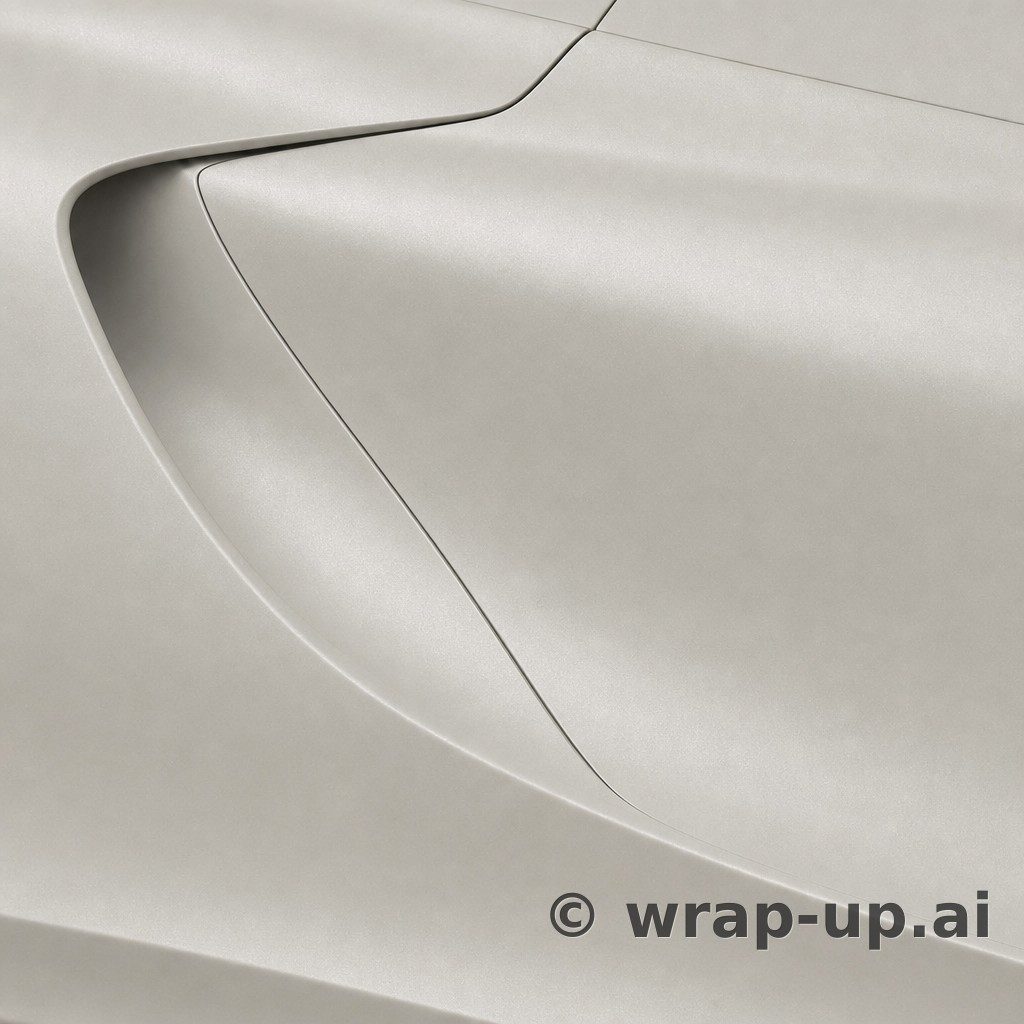
When light blue is flattened, the visual character changes completely. Avery SW900 Light Blue (633) uses the same core tonal range as its gloss counterpart but applies a satin finish. Instead of sharp mirror reflections, satin diffuses light into wide, soft highlights across the vehicle's shoulders and wheel arches.
On vehicles with prominent body creases, satin light blue emphasizes sculptural stamping lines. The peak of the crease catches a wide band of diffused light, while the falloff below the crease drops into a smooth, slightly darker blue shadow. Matte finishes soften the contrast even further, creating an even, pastel appearance that minimizes surface glare.
Matching Light Blue to Vehicle Geometry
Vehicle shape dictates how a light blue car wrap registers to the eye:
- Angular, Creased Vehicles: Modern sports sedans and angular coupes feature pronounced fender flares and sharp shoulder lines. On these shapes, light blue clearly demarcates upward-facing panels from vertical doors. The contrast between bright top surfaces and darker side panels accentuates the car’s mechanical styling.
- Curved, Organic Shapes: Cars with rounded bodywork create gradual gradients rather than abrupt shadow breaks. A pale blue wrap over a rounded hood transitions smoothly from a bright highlight to a saturated sky tone, creating a soft, cohesive appearance.
- Proportion and Trim Contrast: Because light blue is visually bright, it relies heavily on darker vehicle elements for balance. Black grilles, tinted glass, carbon diffusers, and gray wheels provide an anchor. On a vehicle with heavy chrome trim, light blue can look low-contrast and washed out unless paired with a slate-leaning shade.
Why Small Swatches and Internet Photos Mislead
A common mistake when evaluating a light blue car wrap is relying on a two-inch physical swatch held against a door handle. A swatch cannot communicate how a color behaves at automotive scale. On a tiny swatch, a light blue may look pleasantly subtle; applied across an entire SUV, that same pigment can read as intensely bright and overwhelming.
Similarly, photos found on social media are rarely reliable guides. Digital cameras constantly adjust white balance when pointed at large expanses of pale color. A camera phone will often shift light blue toward deep turquoise or desaturate it into near-white. Furthermore, an edited photograph taken at sunset in a desert setting tells you very little about how that same vinyl will look on your car under overcast skies in your own driveway.
Previewing Light Blue on Your Own Car
Evaluating a color change requires seeing the specific vinyl tone applied to your actual vehicle model, taking your car's exact proportions, curves, and trim into account.
With WrapUp AI, you can upload a clear photo of your own car in its everyday surroundings and preview real catalog films directly on your vehicle. You can compare how Avery SW900 Light Blue (632) in gloss contrasts against the satin finish of Light Blue (633), or test how gray-blue tones like glossy ballistic blue (571G) fit your car's body styling.
Every rendered image serves as a realistic visual impression rather than a certified lab color match, providing the perspective you need to judge scale, finish, and panel curvature before making a decision. You can explore options immediately, and your first three renders are completely free with no account required to begin.
To see how different shades of light blue transform your vehicle's lines, explore the visualizer at WrapUp AI.
See any car in any wrap colour — three renders free. Try WrapUp AI