For shops
How to Start a Car Wrap Business: Workspace, Workflow, and Color Selection
Published
Learning how to start a car wrap business involves balancing hands-on craft with client management. While learning to manipulate cast vinyl around compound curves is the foundational technical skill, building a functional business demands controlled shop environments, reliable material sourcing, and a streamlined process for helping customers choose films.
New shop owners often underestimate how much time is lost during the initial consultation. Understanding equipment requirements, facility layout, and the friction points of color selection will help you set up an efficient operation from day one.
1. Shop Environment and Tool Requirements
A clean, temperature-controlled facility is critical to vehicle wrapping. Vinyl films behave differently depending on ambient temperature; cool conditions make film brittle and prone to tearing, while excess heat makes adhesives aggressively tacky before panels can be positioned.
Your shop floor requires specific foundational investments:
- Climate control: A dedicated bay maintained consistently between 68°F and 75°F to ensure adhesives tack predictably.
- Dust containment: Sealed floors, dedicated wash bays separated from wrap bays, and clean air filtration to keep airborne debris from settling under the film.
- High-CRI balanced lighting: Bright overhead and side lighting that illuminates horizontal rocker panels and vertical doors without casting sharp, deceiving shadows.
- Essential toolkits: Quality heat guns with digital temperature readouts, infrared thermometers for post-heating, knifeless tape, tucking tools, clean wrap gloves, and lint-free microfiber towels.
2. Navigating Material Catalogs and Vinyl Brands
When stocking materials, new shops do not need to buy rolls in bulk before securing jobs. Instead, establish direct accounts with national vinyl distributors. Major film manufacturers offer cast wrap films engineered for full vehicle color changes, each with distinct tack levels and stretch limits.
Modern wrap catalogs contain hundreds of references. In WrapUp AI's catalog alone, there are 789 distinct vinyl colors available across major manufacturers. You will regularly encounter materials from primary brands:
- Inozetek Vinyl (154 colors in the catalog) offers a distinct ultra-smooth finish across popular high gloss films.
- Orafol 970RA (152 colors in the catalog) provides reliable air-release liners and solid coverage across finishes like Matte Black (070M) and glossy graphite metallic (932G).
- Avery SW900 (150 colors in the catalog) is known for forgiving installation and broad palettes like Cardinal Red (433) and Emerald Green (771).
- KPMF (112 colors in the catalog) carries extensive pearlescents and satins, such as Metro Ceramic Matrix Grey (K75412).
- 3M 2080 (92 colors in the catalog) features protective cap sheets on gloss films to reduce surface hazing during squeegee passes.
Familiarize yourself with the differing adhesives and heat thresholds of these films on test panels before taking on paying jobs.
3. The Customer Bottleneck: Why Swatches Fall Short
A recurring operational challenge for new wrap shop owners is the consultation phase. Clients frequently spend hours flipping through swatch decks, uncertain of how a specific shade will translate across their vehicle.
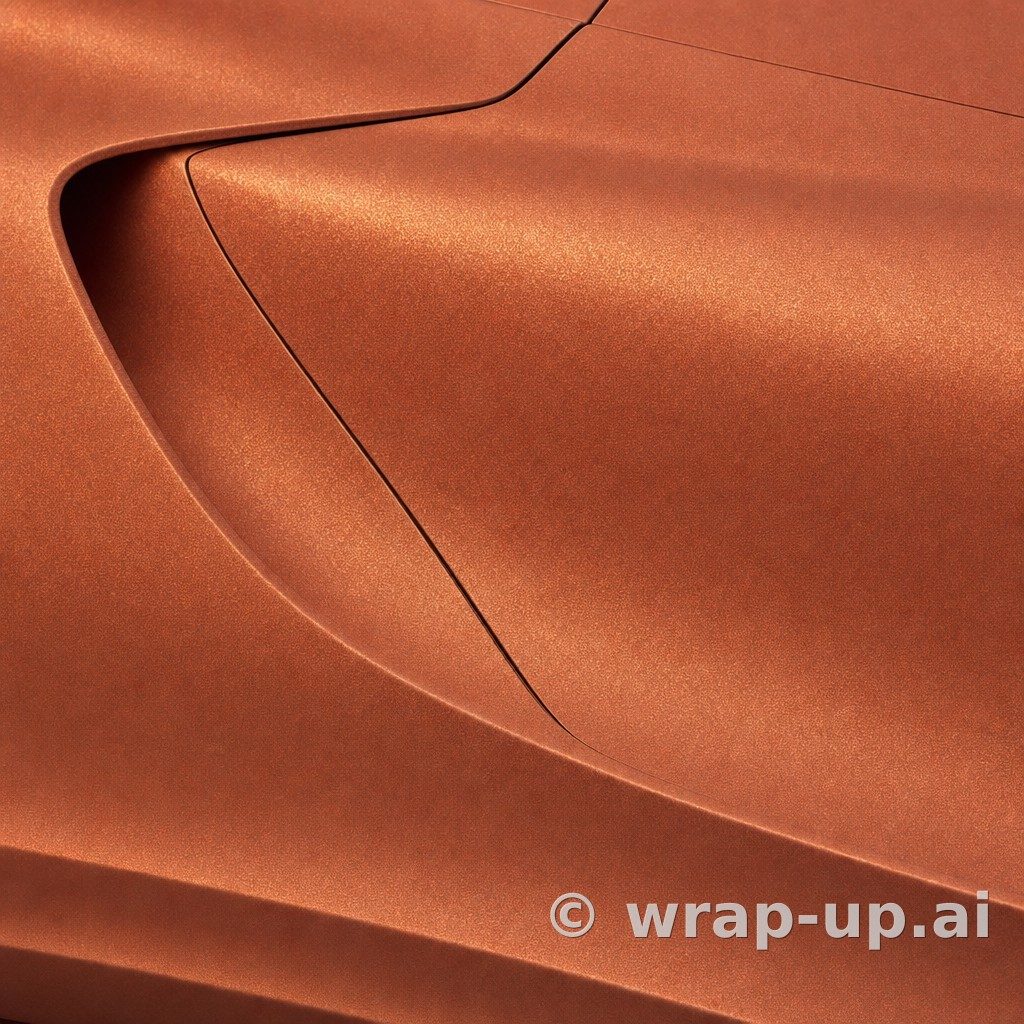
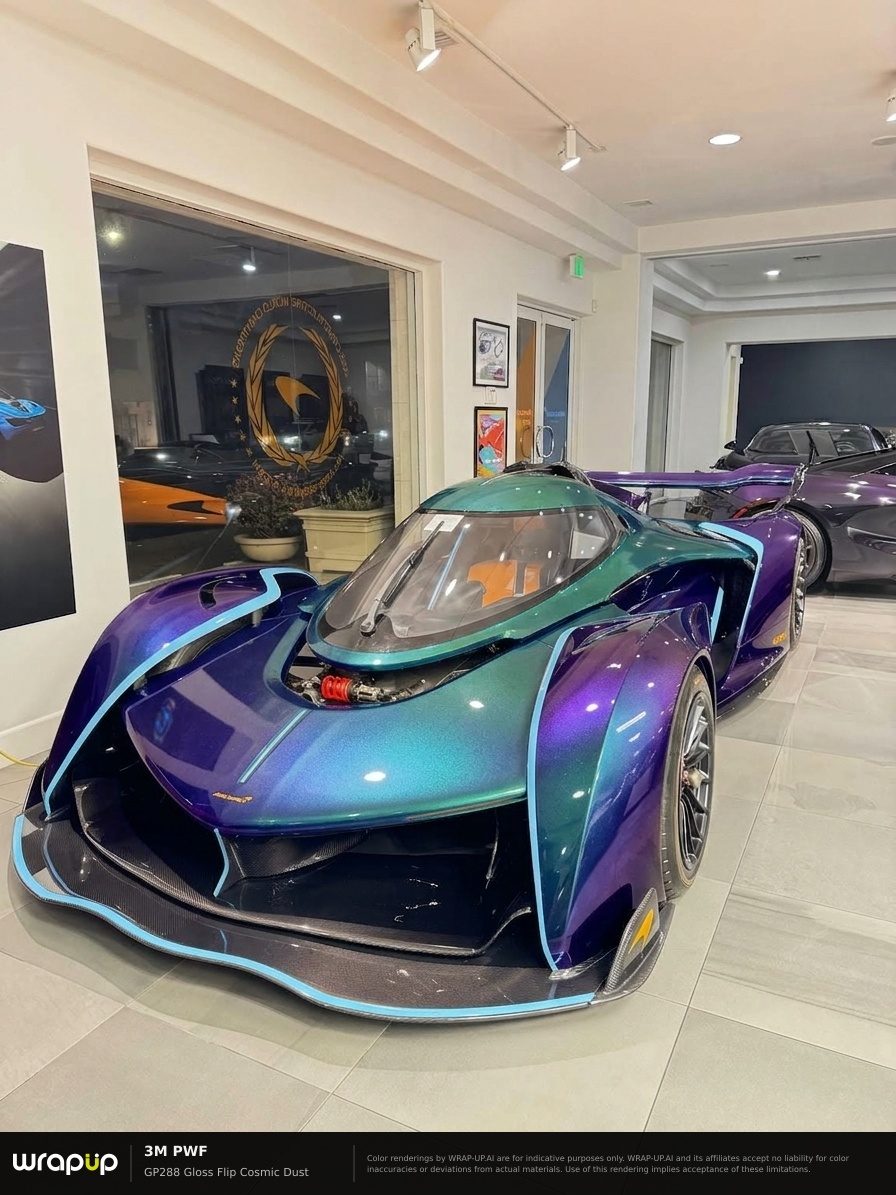
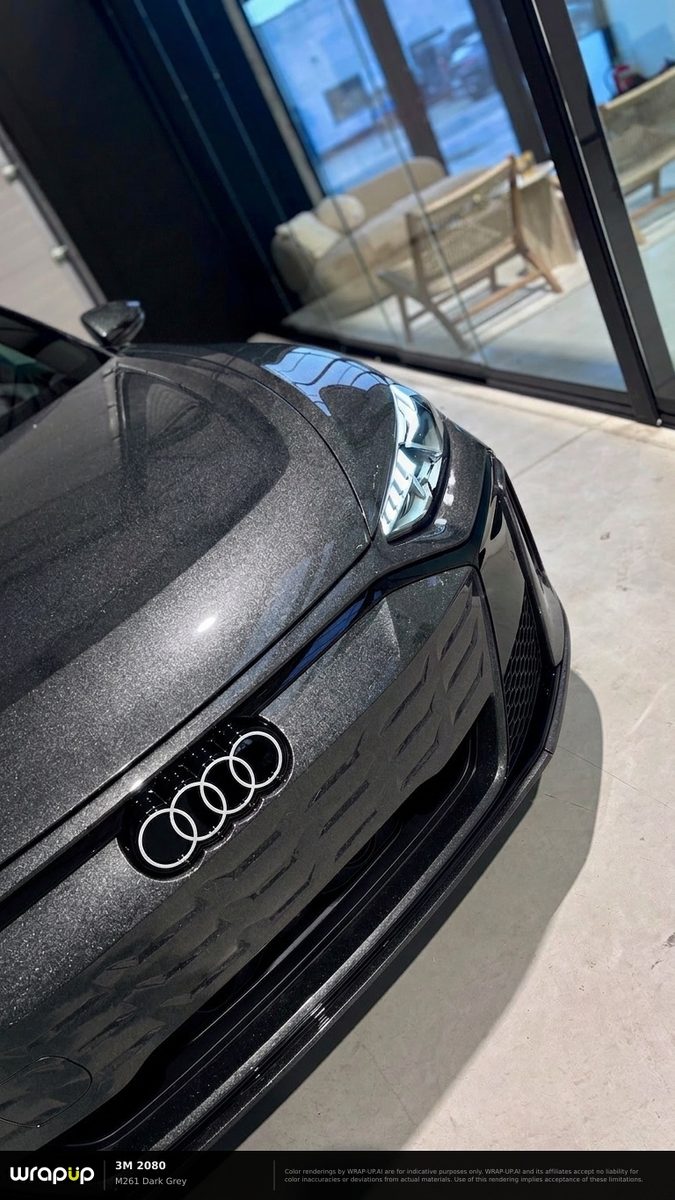
A small physical swatch, or a photo of someone else's car found online, cannot answer the question. A three-inch swatch sample cannot demonstrate how a shade reacts across a broad hood, over curved wheel arches, or under shifting outdoor light. Similarly, photos found online are heavily influenced by camera sensors, post-processing filters, and the specific body lines of the vehicle in the picture. A complex tone like KPMF Copper Black Starlight or Inozetek Frozen Satin Narwhal Blue looks dramatically different on a sharp-edged sports coupe than on a rounded SUV.
When clients struggle to imagine the finished car, consultations drag on and production schedules stall. Solving this communication hurdle early sets a professional baseline for your shop.
4. Establishing a Modern Consultation Workflow
Rather than letting swatch uncertainty delay bookings, incorporate digital visualization directly into your sales process. Giving the client a clear impression of a specific finish on their own vehicle streamlines decision-making and reduces buyer hesitation.
Wrap shops can streamline their intake process by checking our tools on the page for wrap shops. Using interactive tools allows your shop to walk a customer through gloss, satin, and matte variations during the initial quote.
Always clarify with the customer that a rendered digital preview provides a visual impression of the shade and finish across the vehicle's panels, rather than an absolute color match to physical film. Setting this expectation prevents misunderstandings while giving the client the confidence they need to approve the roll order.
5. Standard Operating Procedures: Prep, Wrap, Post-Heat
To avoid costly rework, build rigid procedures for every vehicle that enters the bay:
- Decontamination: Wash the exterior, strip waxes with isopropyl alcohol mixtures, and clean deep into panel gaps, rubber seals, and behind lights.
- Disassembly: Remove door handles, taillights, and badges where necessary to ensure deep, seamless tucks without overstretching the vinyl.
- Application: Lay panels using proper glassing techniques, maintaining even tension to prevent adhesive distortion or finish discoloration.
- Post-heating: Use an infrared thermometer to bring edges, recesses, and stretched areas to the manufacturer's specified post-heat temperature. Skipping this step leads directly to lifted edges and warranty claims.
By pairing sound workshop procedures with clear client consultation tools, you establish a wrap business that runs efficiently from estimate to final delivery.
To explore how real cast wrap films appear across realistic automotive panels, explore the catalog at WrapUp AI.
See any car in any wrap colour — three renders free. Try WrapUp AI